
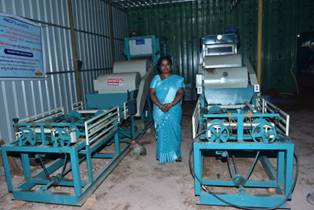
Coir is one of India’s oldest natural fibres. Organised coir production in India began in 1859 with the establishment of the first coir factory in Alappuzha, Kerala. Since then, the sector has grown across major coconut-producing regions.
India is the world’s largest producer of coir and accounts for more than 80 per cent of global coir fibre production. The industry is also closely linked with women’s livelihoods. Women account for nearly 80 per cent of those engaged in fibre extraction and spinning. This makes coir an important rural livelihood sector—connecting coconut farmers, workers, women artisans, cooperatives, entrepreneurs, manufacturers and exporters.
The potential of coir extends well beyond the production of raw fibre. Through processing, design and innovation, coir can be transformed into a wide range of higher-value products, including:
Mats and doormats
Ropes and yarn
Brushes and other household products
Decorative items and handicrafts
Garden and horticulture products
Innovative and eco-friendly packaging solutions
The Coir Board, a statutory body under the Ministry of MSME, works to strengthen the sector through skill development, technology, research, market promotion, exports and welfare initiatives.
The Central Coir Research Institute has developed eco-friendly coir rail wheel axle packaging cups as an alternative to HDPE plastic cups. Such innovations show how a traditional natural fibre can find applications in modern industries while supporting environmentally responsible production.
With skills, finance, technology, research and market support, India’s traditional coir sector is steadily moving towards higher-value products and modern enterprises—turning locally available resources into opportunities for entrepreneurship and prosperity.



Leave a Reply